“Pope Leo XIII once remarked that Walsingham would be central to the return of England to the Catholic faith. This is done not only through pilgrimages and devotion, but more importantly, through prayer and deeper conformity to Christ, in imitation of Mary.”
By Fr. Alex Pumphrey, MIC
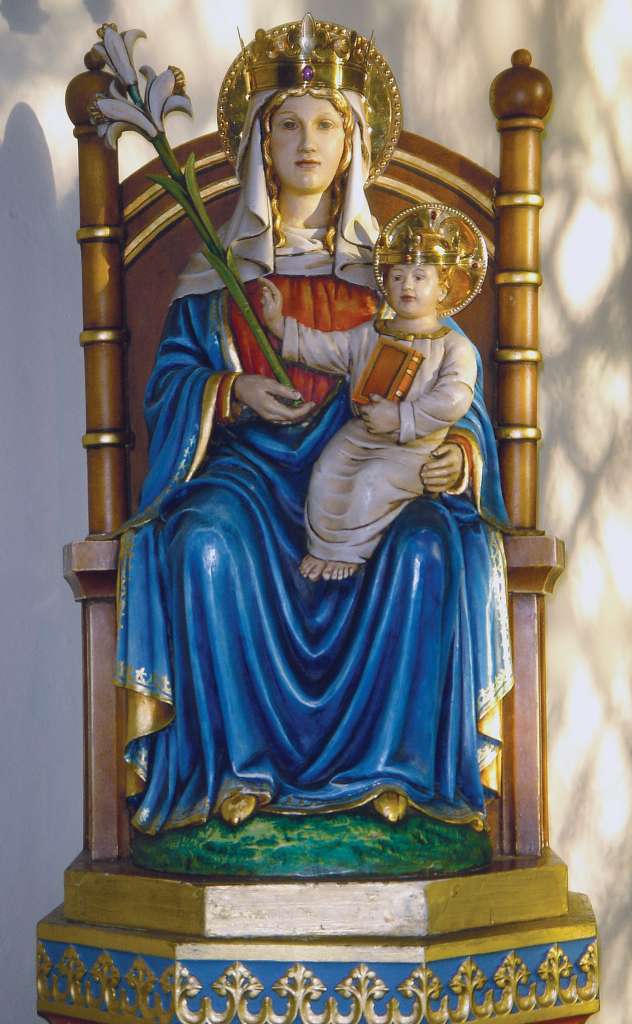 Tucked in the corner of Norfolk in the northeast of England, not too far from the sea, sits a small village surrounded by fields, farms, and forests, where, in my opinion, one of the most important events in the history of the British Isles occurred.
That village is Walsingham.
Marian history
In 1061, Our Lady appeared to Lady Richeldis, a local noblewoman, with a request: to create a replica of the house that the Holy Family used in Nazareth, so that the people of England would have a place of pilgrimage where they could entrust their cares and petitions to the Mother of God.
Walsingham, England’s Nazareth, quickly became a popular place for pilgrimage, and many religious houses and monasteries were built in the area, the most famous of them being the Augustinian priory. The Augustinians (Pope Leo XIV’s order) were tasked with ministering to pilgrims and overseeing the sacred shrine.
People came in droves to Walsingham, often walking the last mile to the village barefoot. In fact, the current Catholic shrine and basilica is located at the Slipper Chapel, where pilgrims would take off their shoes for the final trek. People came to Walsingham because they wanted to pray, to be with Our Lady, and because they knew that Our Lady wanted to be with them.
Attacked
During the English Reformation, King Henry VIII seized the grounds of the Augustinian priory and shrine, destroyed the church and buildings, and gave the lands as a prize to a loyal courtier. And yet people still held Our Lady of Walsingham in their hearts and a few brave souls even dared to visit the shrine ruins at night, under the cover of darkness. Such an action was a brazen act of Catholic devotion, illegal and punishable by law, but they didn’t care: They only wanted to be with Mary, Our Lady of Walsingham.
In 1897, a local parish nearby was established as the Catholic shrine, and some years later, in 1934, the Slipper Chapel became the site of the official Catholic shrine. There is also an Anglican shrine, located at the local Church of England parish, that draws many pilgrims as well.
Christian Unity
The shrine, which is also now a basilica, has seen an increase in interest and in pilgrimages from all over the UK, the British Isles, and the world. Many people are rediscovering Walsingham, and the message of Mary’s closeness and love that is so central to the site and apparitions.
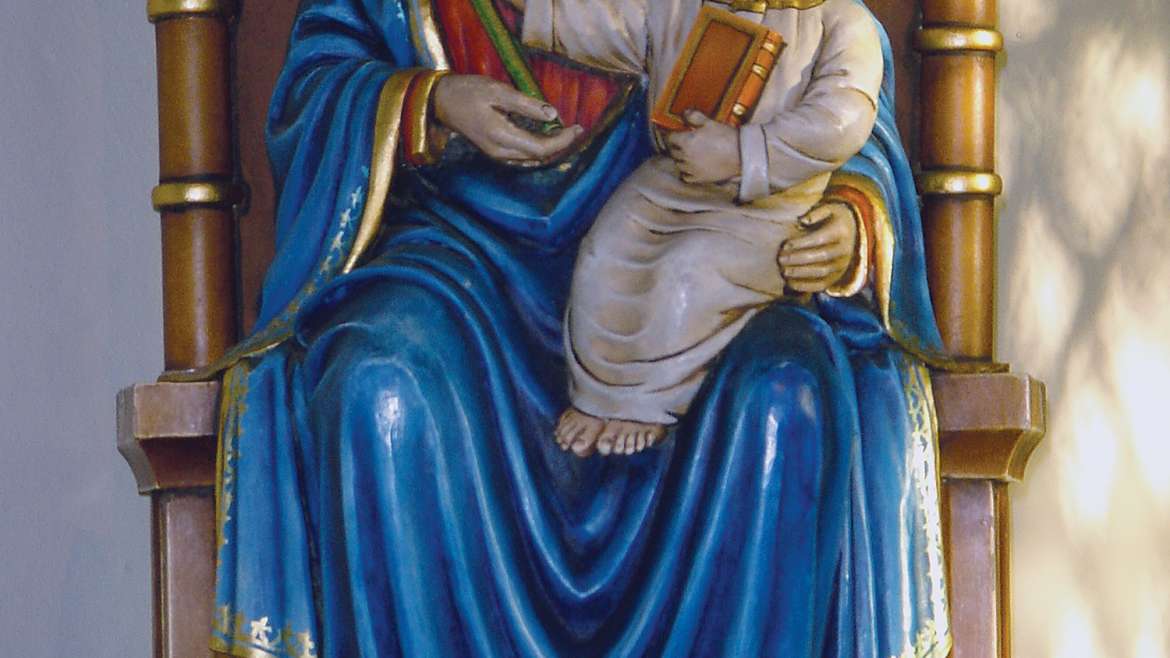
Our Lady of Walsingham stands as a figure of Christian unity, bringing pilgrims from multiple Christian groups and denominations together, not just Catholics. She also stands as a figure of resilience, having given hope and succour to generation after generation of Catholics who were persecuted and marginalized for their faith. She also stands as a figure of faith, in that the people of England find in her a powerful intercessor and a motherly love.
Pope Leo XIII once remarked that Walsingham would be central to the return of England to the Catholic faith. This is done not only through pilgrimages and devotion, but more importantly, through prayer and deeper conformity to Christ, in imitation of Mary.
Our Lady, Marian Helper
The Marians in the UK have a deep love and devotion to Our Lady of Walsingham, as well, and we have entrusted our work and mission here to her and her prayers. I am convinced that the conversion of the United Kingdom and Ireland will come about through the prayers of Our Lady under her titles of Our Lady of Walsingham (England, whose feast is 24 Sept.), Our Lady of Knock (Ireland, whose feast is 17 Aug.) and Our Lady of the Taper (Wales, whose feast is celebrated 15 June).
Please ask Our Lady of Walsingham to pray for the work of the Marians in the British Isles, that she wraps us in her motherly mantle and that she always guides us to listen to her Son’s voice and follow His most perfect will, just as she did.
May God bless you now and always!
______________________________
Contact Father Alex at info@divinemercy.org.uk
Please send us your prayer intentions! (click here). We will place them at the foot of our altar in the Divine Mercy Apostolate’s Chapel here in West Ealing, London and will remember them in our daily Chaplets of Divine Mercy.